
Preventive Dentistry In Silver Spring, MD, Why Routine Care Does More Than You Think
Published on Apr 21, 2026 | 10 minute read
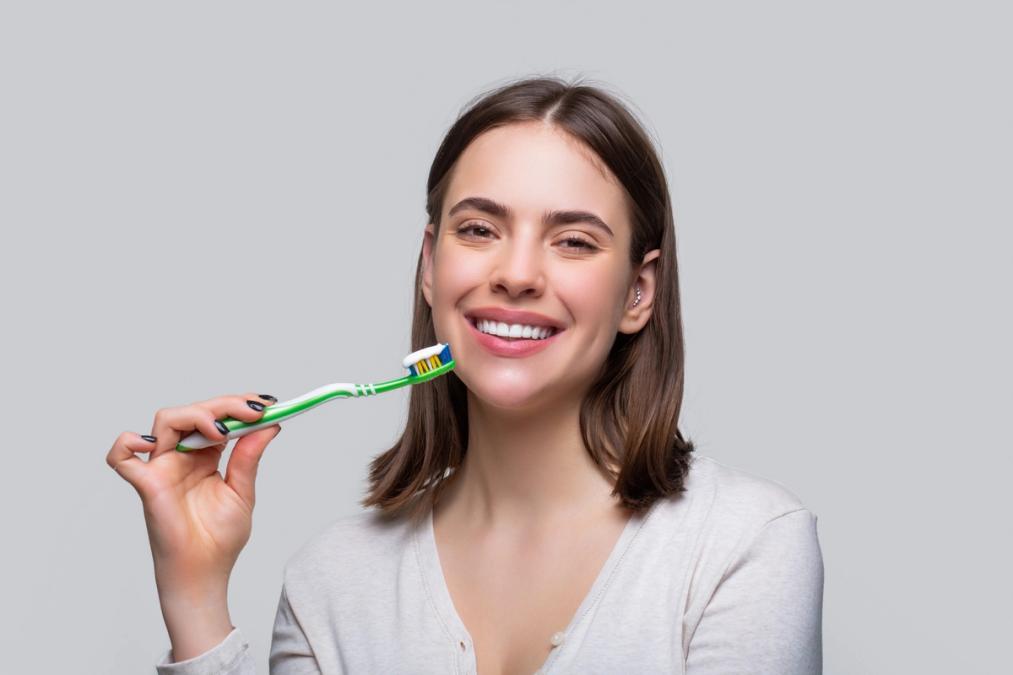
Some of the most important improvements happen quietly. A well-maintained car runs better because of small, regular services. A healthy garden stays stronger with steady care rather than last-minute rescue. Teeth and gums work much the same way. Preventive dentistry focuses on protecting oral health before bigger problems begin. Instead of waiting for pain, damage, or infection to appear, preventive care helps patients stay ahead of those issues with regular exams, cleanings, and guidance tailored to their needs.
What Preventive Dentistry Means
Preventive dentistry includes the services and habits that help reduce the risk of cavities, gum disease, enamel wear, and other dental problems. This often includes regular dental exams, professional teeth cleanings, digital X-rays when needed, fluoride treatments, sealants, and personalized home care recommendations. It also includes patient education, because good prevention depends on what happens at home just as much as what happens in the dental office.
The goal of preventive dentistry is not perfection. It is protection. By identifying changes early and keeping plaque and tartar under control, preventive care makes it easier to preserve natural teeth and avoid more extensive treatment later. For many patients, this is the most practical and cost-effective part of dentistry, even though it may not always feel dramatic in the moment.
Why Preventive Dentistry Matters At Every Age
Preventive dentistry is valuable for children, teens, adults, and older adults because oral health needs change over time. For children, preventive care helps monitor development, reduce cavity risk, and build positive dental habits early. Sealants and fluoride can be especially helpful during the years when permanent molars first arrive and children are still learning consistent brushing skills.
For teens, preventive dentistry often includes guidance around orthodontic appliances, sports guards, and diet choices that affect cavity risk. For adults, the focus may include gum health, worn fillings, stress-related grinding, and the effects of daily habits such as coffee, snacking, or smoking. Older adults may need support for dry mouth, recession, restorations, and the maintenance of bridges, crowns, implants, or dentures. At every stage, prevention supports comfort and helps reduce the need for more complicated care later.
What Happens During A Preventive Dental Visit
A preventive visit often begins with a review of health history and any changes in medication or symptoms. This matters because many general health issues can influence oral health. The visit usually includes a professional cleaning to remove plaque and tartar from the teeth and around the gumline. Even patients who brush and floss regularly can develop buildup in places that are difficult to reach at home.
The dentist then performs an exam to check for cavities, gum inflammation, worn areas, bite issues, soft tissue changes, and problems with existing restorations. X-rays may be taken when needed to look for problems between the teeth or below the surface. These parts of the visit work together. The cleaning improves oral conditions, and the exam looks for anything that may need attention before it worsens.
How Preventive Dentistry Helps Avoid Bigger Problems
One of the clearest benefits of preventive dentistry is early detection. A small cavity is usually easier to treat than a large one. Mild gum inflammation is simpler to address than advanced gum disease. A worn filling spotted early may be repaired before it leads to a cracked tooth or deeper decay. These kinds of early catches are what make routine care so valuable.
Preventive dentistry also helps protect patients from dental emergencies. Many painful or urgent problems start as smaller conditions that were simply not noticed in time. Regular visits improve the chances of finding those problems while the treatment is still more conservative. That can save time, reduce discomfort, and help patients avoid the stress that often comes with urgent dental issues.
The Role Of Professional Teeth Cleaning
Professional cleanings are a major part of preventive dentistry because plaque can harden into tartar, and tartar cannot be removed with a toothbrush alone. Once it builds up near the gums, it creates a place for bacteria to collect and irritate the surrounding tissue. Over time, this can lead to bleeding, tenderness, bad breath, and deeper gum concerns.
A professional cleaning removes that buildup and leaves the tooth surfaces smoother, which can make it harder for plaque to stick as easily afterward. Cleanings also give patients a fresh starting point. Many people notice that after a cleaning, their mouth feels cleaner, brushing feels easier, and they are more motivated to stay on track with home care.
Fluoride, Sealants, And Other Preventive Tools
Preventive dentistry includes more than exams and cleanings. Fluoride treatments can strengthen enamel and help lower the risk of decay, especially for children and adults who are more cavity-prone. Dental sealants can be placed on back teeth to protect deep grooves where food and bacteria tend to collect. These tools are simple, but they can make a meaningful difference in reducing risk.
Some patients may also benefit from custom nightguards if they grind or clench their teeth. Others may need more frequent cleanings if they have a history of gum problems or dry mouth. Preventive dentistry works best when it is personalized rather than identical for every patient. The right plan depends on habits, risk factors, and the current condition of the teeth and gums.
Why Home Care Is Part Of Preventive Dentistry
Preventive dentistry does not stop when the appointment ends. Home care is part of the same system. Brushing twice a day with fluoride toothpaste, flossing daily, and limiting repeated sugar exposure all play a major role in keeping teeth healthy between visits. Patients who see the dentist regularly but neglect home care may still develop avoidable problems. The opposite is also true. Excellent brushing helps, but it cannot replace professional exams and cleanings entirely.
That is why preventive dentistry works best when office care and home care support each other. The dental visit creates a baseline, and daily habits maintain it. Patients who understand that connection often find it easier to stay consistent because the purpose of each step becomes clearer.
Why The Benefits Matter Over Time
The benefits of preventive dentistry become especially noticeable when viewed over the long term. Patients who keep up with routine care are often better able to preserve their natural teeth, reduce the need for major restorations, and avoid more urgent or expensive problems. Prevention can also improve comfort in everyday life by reducing bleeding gums, bad breath, tooth sensitivity, and plaque buildup.
Another important benefit is education. Preventive visits give patients a chance to ask questions and receive guidance that is specific to their own needs. One person may need help with flossing technique. Another may need advice on dry mouth, whitening sensitivity, or how to protect teeth from grinding. That kind of personalized support helps patients make better decisions and feel more confident about their oral health.
Many patients also appreciate the peace of mind that comes with regular checkups. Knowing that a dentist is monitoring changes over time can make oral health feel more manageable. Even when treatment is needed, catching it early often makes the experience much easier.
Preventive Dentistry And Whole-Mouth Awareness
A preventive appointment is not only about cavities. It also allows the dentist to notice changes in the gums, cheeks, tongue, bite, and jaw function. Small changes in soft tissues, bone support, or tooth wear may not be obvious to the patient, but they still matter. Preventive dentistry creates regular opportunities to observe these changes and respond appropriately if something starts to shift.
This whole-mouth perspective is one reason routine care remains so important even for patients who feel that nothing is wrong. A mouth can feel fine while still developing early signs of decay, gum issues, or bite-related stress. Prevention is valuable because it looks beyond pain and focuses on health before symptoms become obvious.
Building A More Predictable Future For Your Smile
Dental problems can feel random when they appear suddenly, but many of them become much more manageable with steady preventive care. Exams, cleanings, fluoride, sealants, and home-care guidance all work together to create a stronger foundation for oral health. Instead of reacting to problems one by one, preventive dentistry helps patients reduce the chance that those problems will appear in the first place.
That approach may not always seem exciting, but it is one of the most valuable parts of long-term dental care. A healthier smile is often built through small, repeated efforts, and preventive dentistry is where those efforts come together.
If you are ready to stay ahead of dental problems with preventive dentistry, contact CK Family Dental at (301)236-9000 or visit 15434 New Hampshire Ave Silver Spring, MD 20905 to Book an Appointment and keep your teeth and gums on a healthier path.