
Traditional Braces In Silver Spring, MD, A Time-Tested Way To Build A Better Bite
Published on Mar 10, 2026 | 8 minute read
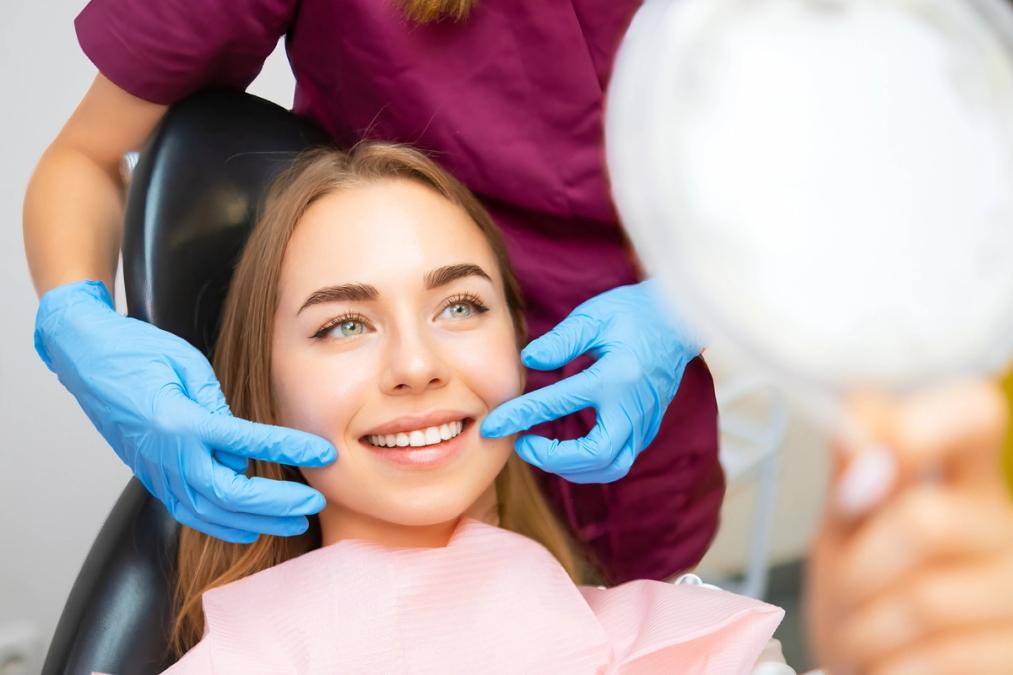
Some solutions stay relevant because they continue to work. Traditional braces are one of those solutions. Even with the rise of clear aligners and other modern orthodontic options, braces remain one of the most reliable ways to move teeth into healthier positions. They can correct crowding, spacing, and bite problems in a controlled and highly effective way. CK Family Dental lists orthodontics among its service categories, and the practice has also published blog content discussing traditional braces and clear aligners, which makes traditional braces a fitting topic for patients exploring straighter teeth in Silver Spring.
What Traditional Braces Actually Do
Traditional braces use brackets and wires to apply gentle pressure that moves teeth over time. ADA guidance explains that braces and orthodontic treatment are used to correct malocclusion, which includes teeth that are crowded, crooked, or not meeting together properly. Some people think braces are only about appearance, but bite correction is just as important. When teeth line up better, they can be easier to clean, and the upper and lower jaws can function together more efficiently. That means braces are not just about a straighter smile, but about improving overall oral function too.
Why Patients Still Choose Braces
Traditional braces remain popular because they can handle a wide range of orthodontic needs. Some patients have minor crowding, while others have significant bite problems or teeth that need more complex movement. Braces are fixed to the teeth, so they work all day without needing to be removed or remembered. That can be especially helpful for younger patients or busy adults who want a treatment that stays on track without relying on daily compliance the way removable trays do. For many people, that built-in consistency is one of the biggest advantages of braces.
Common Reasons Someone May Need Traditional Braces
Crowded teeth are one of the most common reasons patients seek orthodontic treatment. When teeth overlap, daily brushing and flossing become harder. Gaps between teeth are another reason, especially when spacing affects bite balance or appearance. Then there are bite concerns such as overbite, underbite, or crossbite. ADA information notes that teeth may be straight but the jaws may still not meet properly, and that is exactly why a full orthodontic evaluation matters. A healthier bite can reduce uneven wear, improve chewing, and support long-term dental health.
What The Braces Process Usually Looks Like
The treatment process starts with an orthodontic evaluation. Photos, X-rays, and impressions or digital scans help the dentist understand the current tooth positions and bite. Once braces are placed, the patient returns for regular adjustment visits so the wires and mechanics can continue guiding the teeth. Over time, the teeth move into better alignment. After active treatment ends, retainers are typically used to help keep the new positions stable. While every case is different, the overall process follows a steady pattern of planning, active movement, and retention.
Everyday Life With Traditional Braces
Many patients want to know what daily life with braces is really like. At first, braces can feel unfamiliar. The cheeks and lips may need a little time to adjust, and the teeth may feel tender after adjustments. That discomfort is usually temporary. Patients also need to be more mindful about food choices and home care. Sticky foods, very hard foods, and habits like chewing ice can damage brackets or wires. On the positive side, many patients quickly settle into a routine, and the gradual changes in tooth position become motivating as treatment moves forward.
Why Good Cleaning Habits Matter So Much
One of the most important parts of wearing traditional braces is keeping the teeth and gums clean. Brackets and wires create extra places for plaque to collect, which means brushing and flossing need more attention than usual. ADA guidance specifically notes that good oral hygiene is especially important for people wearing braces, including regular brushing, daily flossing, and routine dental visits. Patients who stay consistent with these habits are in a better position to finish orthodontic treatment with teeth that are both straighter and healthier.
Traditional Braces Versus Clear Aligners
Patients often ask how traditional braces compare with clear aligners. Clear aligners can be an excellent option for many cases, but braces still have strengths that make them the better choice for some patients. Because braces are fixed in place, they do not depend on the patient remembering to wear them. They can also be especially effective for complex movements and significant bite adjustments. This does not make braces better for everyone, but it does explain why they continue to be recommended so often, even in a time when more discreet options are widely available.
What Patients Gain From Orthodontic Treatment
The benefits of traditional braces go beyond straighter-looking teeth. Better alignment can make brushing and flossing easier, which supports healthier gums and lowers the chance of plaque buildup in tight spaces. A better bite may also reduce uneven pressure on certain teeth. ADA information presents braces as a way to correct malocclusion and improve how the teeth and jaws fit together, and that functional improvement is a major reason orthodontic treatment matters. Many patients also appreciate the confidence that comes from seeing their smile become more balanced over time.
The Importance Of Patience And Follow-Through
Traditional braces are effective, but they do require commitment. Keeping adjustment appointments, protecting the brackets, following cleaning instructions, and wearing retainers after treatment all play a role in the final result. Orthodontic treatment is a gradual process, not an overnight change. The positive side of that is that the results are built step by step, with close monitoring along the way. When patients understand the process and stay engaged, braces can produce a result that feels both rewarding and lasting.
A Clear Closing Thought
Traditional braces continue to stand out because they solve real dental problems in a dependable way. They can improve alignment, support a healthier bite, and help patients move toward better long-term oral health. For children, teens, and adults alike, braces remain a strong option when the goal is not just straighter teeth, but a smile that functions better every day.
If you are considering traditional braces, contact CK Family Dental at (301)236-9000 or visit 15434 New Hampshire Ave Silver Spring, MD 20905 to Book an Appointment and find out whether braces are the right orthodontic solution for your smile.