
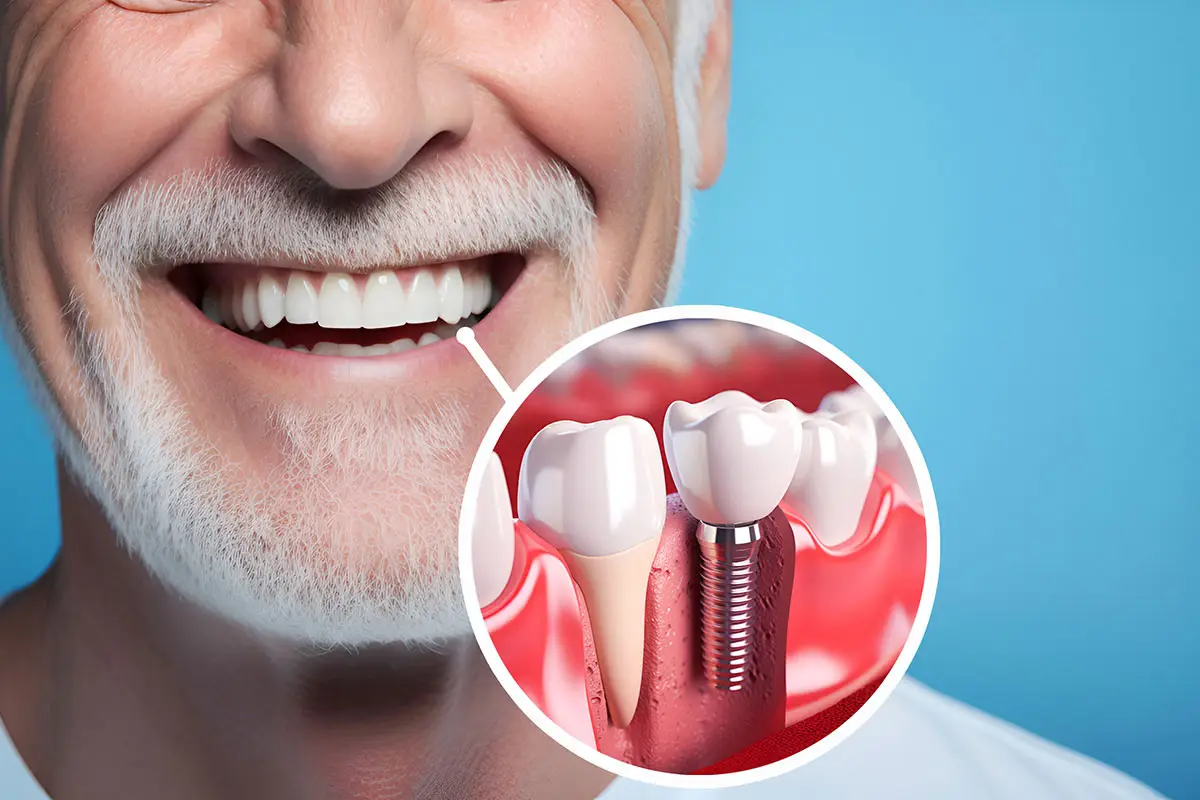
What makes a tooth replacement feel like part of your smile instead of simply filling an empty space? For many patients, the answer is stability, function, and a treatment plan designed around the health of the entire mouth. Dental implants offer a way to replace missing teeth while providing a strong foundation for a crown, bridge, or denture.
For patients considering dental implants in Silver Spring, MD, it is helpful to understand that implant treatment is not a one-size-fits-all procedure. The process begins with an evaluation of the teeth, gums, jawbone, bite, and overall oral health. CK Family Dental provides implant care designed around each patient’s needs. You can learn more about the practice’s dental implant services and the different pathways available for replacing missing teeth.
What Are Dental Implants?
Dental implants are tooth replacement devices designed to provide a stable foundation for a replacement tooth or dental restoration. An implant is placed into the jawbone, where it can become integrated with the surrounding bone. Once healing has taken place and the treatment is ready for the next stage, the implant can support a restoration designed to replace the visible portion of the missing tooth.
A complete implant restoration generally has several parts. The implant itself serves as the foundation. An attachment called an abutment connects the implant to the visible restoration. The final restoration may be a crown for one missing tooth, a bridge for several missing teeth, or a denture designed to receive implant support.
The important idea is that dental implants are more than replacement teeth. They are a foundation for a larger treatment plan.
Why Consider Replacing A Missing Tooth?
A missing tooth can affect more than appearance. Teeth work together as a system, and when one is lost, the surrounding teeth may experience changes in how they meet and share chewing forces.
A gap can also make certain foods harder to chew. Depending on the location of the missing tooth, patients may notice changes in speech or the way their tongue interacts with the teeth.
Over time, neighboring teeth may shift toward an open space. Changes in tooth position can make certain areas harder to clean and may affect the balance of the bite.
Replacing a missing tooth can help restore a more complete dental arch. Dental implants provide one option for doing that while creating a stable foundation that does not depend solely on the neighboring natural teeth.
How Dental Implants Work
The implant process takes place in stages. First, the dentist evaluates the mouth and determines whether implant treatment is appropriate. This evaluation may include digital imaging to assess the jawbone and surrounding structures.
If the patient is a candidate, the implant is placed into the jawbone. Healing then allows the implant to become integrated with the bone. This process takes time, and the exact healing period varies depending on the individual treatment plan.
Once the implant has healed sufficiently, the restorative phase begins. The dentist creates or places the component that connects the implant to the final restoration. A crown, bridge, or implant-supported denture can then be used to replace the missing teeth.
Because treatment happens in stages, patients should expect the process to take longer than simply receiving a filling or traditional removable appliance. The extra planning is part of what makes implant treatment different.
Who May Be A Candidate For Dental Implants?
Dental implants can be an option for many adults who have lost one or more teeth. However, candidacy depends on more than the presence of a missing tooth.
The dentist needs to evaluate the health and amount of supporting bone, the condition of the gums, the remaining teeth, the bite, and the patient’s overall health. Good oral hygiene and a commitment to ongoing dental care are also important.
Patients with active gum disease may need periodontal treatment before implant placement. Likewise, a patient with inadequate bone support may need additional treatment before an implant can be considered.
This is why an implant consultation is important. Rather than assuming that an implant is either possible or impossible, the dentist can evaluate the specific conditions that influence treatment.
What If There Is Not Enough Bone?
The jawbone can change after a tooth is lost. Because the natural tooth root is no longer stimulating the surrounding bone, the area may gradually lose some of its original volume.
Some patients still have enough bone for implant placement. Others may need a procedure designed to improve the available foundation before an implant can be placed.
Whether additional bone treatment is needed depends on the location of the missing tooth, the amount of available bone, and the type of restoration planned.
The important point is that an older missing tooth does not automatically mean implants are impossible. A detailed evaluation can determine what options may be available.
Single-Tooth Dental Implants
A single-tooth implant can be used to replace one missing tooth with a crown designed to blend with the surrounding teeth.
One potential advantage of a single implant is that it does not require the neighboring teeth to serve as the primary support for the replacement tooth. The implant is placed in the location of the missing root, while the crown restores the visible portion.
This approach can be especially useful when the teeth on either side of the space are healthy and do not need crowns for other reasons.
The dentist still needs to evaluate the space, bone, gum health, and bite before recommending a single-tooth implant.
Dental Implants For Multiple Missing Teeth
Patients missing several teeth may have several implant treatment options. Multiple implants can support individual crowns, or implants may be used to support a bridge that replaces several teeth.
An implant-supported bridge can provide a fixed replacement option without requiring an implant for every missing tooth. The appropriate design depends on the location and number of missing teeth, available bone, and overall treatment goals.
For patients with many missing teeth, implant-retained or implant-supported dentures may provide another pathway. The implants can provide additional stability for a removable denture.
Dental Implants And Dentures
Traditional dentures rest on the gums and are removable. While they can provide an effective way to replace missing teeth, some patients experience movement during chewing or speaking.
Implant-supported dentures can provide additional stability by attaching to dental implants. The denture remains removable, but the implants help hold it in position.
This option can be particularly appealing for patients who want a removable restoration but are looking for more stability than a traditional denture may provide.
Not every patient is a candidate for implant-supported dentures. The dentist needs to evaluate the jawbone, gums, general health, and treatment goals before recommending this approach.
What Is Recovery Like After Dental Implant Placement?
Recovery varies from patient to patient. Some people experience temporary swelling, tenderness, or discomfort after implant placement. The dental team provides instructions for caring for the treatment area during healing.
Following those instructions is important. Patients may be advised to adjust their diet temporarily and avoid placing unnecessary pressure on the treatment area.
Healing is an important part of implant treatment because the implant needs time to integrate with the surrounding bone before it is used to support the final restoration.
Patients should attend all recommended follow-up visits. These appointments allow the dentist to monitor healing and determine when the next stage of treatment can proceed.
How Dental Implants Can Support Natural Function
A missing tooth can change the way chewing forces are distributed. A properly planned implant restoration provides a stable replacement that can participate in normal chewing once treatment is complete.
Patients may need a short adjustment period after receiving the final restoration. The tongue, bite, and chewing muscles become accustomed to the new tooth or teeth.
The goal is to create a restoration that feels natural during everyday activities while fitting properly with the surrounding teeth.
How To Care For Dental Implants
Dental implants require ongoing care. Although an implant is not a natural tooth, the surrounding gum tissue and bone still need to remain healthy.
Patients should brush regularly and clean around the implant according to the dental team’s instructions. Depending on the restoration, floss, interdental brushes, or other cleaning tools may be recommended.
Professional dental examinations are also important. The dentist can monitor the implant, surrounding tissues, and other teeth and address concerns before they become more serious.
Patients should also protect their restorations from excessive forces. Chewing ice, biting hard objects, or grinding the teeth can place unnecessary stress on implant-supported restorations.
Dental Implants And Gum Health
Healthy gums are an important part of implant care. Bacteria and plaque can affect the tissues surrounding an implant just as they can affect the tissues around natural teeth.
Patients with a history of gum disease should discuss that history during the implant consultation. Active periodontal problems may need to be addressed before implant treatment begins.
Maintaining gum health after implant placement is equally important. Regular professional cleanings and consistent home care can help protect the tissues surrounding the implant.
Benefits of Dental Implants
- Stable tooth replacement: Implants provide a foundation for a crown, bridge, or denture.
- Natural-looking results: Implant restorations can be designed to coordinate with surrounding teeth.
- Improved chewing: A stable restoration can help restore everyday chewing function.
- Support for speaking: Replacing missing teeth can help restore normal tooth and tongue contact used during speech.
- Multiple treatment options: Implants can support single-tooth restorations, bridges, and implant-retained dentures.
- Less reliance on neighboring teeth: A single implant can replace a missing tooth without using adjacent teeth as the primary support.
- Added denture stability: Implant-retained dentures can provide additional support for selected patients.
- Long-term planning: Implant treatment can be incorporated into a broader plan for maintaining oral function and replacing missing teeth.
Are Dental Implants Worth Considering?
The answer depends on the individual patient. Dental implants involve more planning and healing than some other tooth replacement options, but they can provide a stable foundation for replacement teeth.
Patients should consider their oral health, treatment goals, timeline, comfort with surgery, maintenance needs, and available options before making a decision.
A consultation is useful because it allows the dentist to explain what is possible based on the actual condition of the mouth rather than relying on general information.
Planning The Right Replacement For Your Smile
Dental implants can provide a stable foundation for replacing missing teeth and restoring everyday dental function. They can support individual crowns, bridges, and implant-retained dentures, giving patients several ways to address tooth loss.
The right treatment plan begins with an evaluation. Healthy gums, adequate support, the condition of neighboring teeth, and the patient’s goals all influence whether implants are appropriate.
If you are considering dental implants in Silver Spring, contact CK Family Dental at (301) 236-9000 or visit 15434 New Hampshire Ave, Silver Spring, MD 20905 to Schedule a Consultation and discuss your personalized tooth replacement options.