
What if a damaged tooth could receive the protection it needs without turning your dental care into a long series of appointments? For many patients, a dental crown is the right answer when a tooth has lost too much structure for a filling but still has enough healthy foundation to be restored. At CK Family Dental in Silver Spring, MD, same-day dental crowns are part of the practice’s restorative dentistry services, giving patients an efficient option for rebuilding damaged teeth while restoring a natural-looking smile.
A dental crown is designed to cover and protect a weakened tooth. However, the process is about more than simply placing a cap over a tooth. The crown needs to fit comfortably with the surrounding teeth, support a balanced bite, and look natural when you smile. You can learn more about the practice’s restorative dentistry services to see how crowns fit into a broader approach to repairing and protecting damaged teeth.
What Is A Dental Crown?
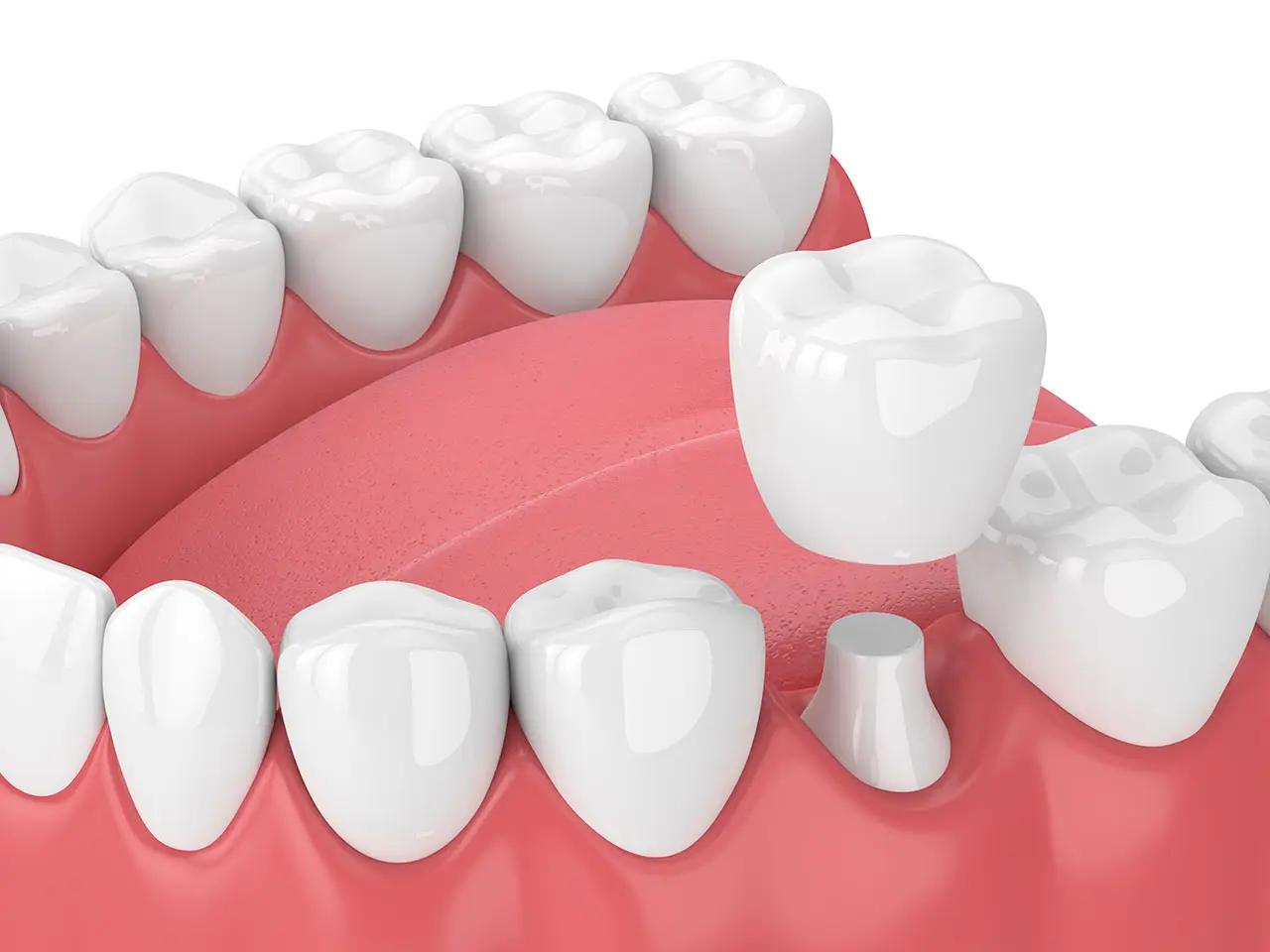
A dental crown is a custom restoration that fits over the visible portion of a damaged or weakened tooth. It can restore the tooth’s shape, strength, size, and appearance. Crowns are commonly recommended when a tooth has a large cavity, significant wear, a crack, or another structural problem that cannot be repaired reliably with a regular filling.
Unlike a filling, which restores a smaller area inside the tooth, a crown covers much more of the tooth. This added coverage helps protect the remaining tooth structure from the forces created by everyday chewing. A crown can also be used after root canal treatment when a tooth needs additional protection.
Crowns can be made from different dental materials. The choice depends on the location of the tooth, the amount of chewing pressure it receives, the appearance desired, and the overall treatment plan. Modern dental materials can create restorations that look remarkably natural while providing the strength needed for everyday use.
Why A Tooth May Need A Crown
Not every damaged tooth needs a crown. Small cavities can often be repaired with tooth-colored composite fillings, while very minor chips may be treated with bonding or another conservative option. A crown becomes more useful when a tooth has lost enough structure that a smaller restoration may not provide sufficient support.
A large filling can sometimes leave a tooth with thin walls that are more vulnerable to fracture. A crown can help protect those remaining walls. Similarly, a cracked tooth may require coverage to reduce the chance that the damage will continue to spread. Teeth that have undergone root canal treatment may also benefit from a crown because they can require additional structural support after the procedure.
Another reason for a crown can be severe wear. Years of grinding, clenching, acidic foods, or other factors can gradually reduce the amount of healthy tooth structure. When enough structure is lost, a crown can help rebuild the tooth and restore its chewing surface.
What Makes Same-Day Dental Crowns Different?
Traditional crown treatment often requires more than one appointment. The tooth is prepared during one visit, a temporary crown is placed, and the permanent restoration is made outside the office before being delivered at a later appointment. Same-day dental crowns use modern digital technology to streamline this process.
Instead of relying on traditional impression materials in every case, digital scanning technology can create a detailed model of the prepared tooth. That information can be used to design the crown and, when the technology and case are appropriate, fabricate the restoration during the same visit.
This approach can be appealing to patients with demanding work schedules, busy family responsibilities, or limited availability for dental appointments. Completing treatment in one visit can also reduce the amount of time a patient spends with a temporary restoration.
However, same-day treatment is not automatically the best choice for every tooth. The dentist must first determine whether the tooth can be predictably restored using the available technology and materials. A careful examination remains the most important first step.
What To Expect During A Same-Day Crown Appointment
The process begins with an examination. The dentist evaluates the tooth, surrounding gums, bite, and supporting structure. X-rays or other imaging may be used to determine what is happening beneath the visible surface. If the tooth is severely cracked, infected, or otherwise unsuitable for a crown, another treatment may be recommended instead.
If a crown is appropriate, the tooth is carefully prepared. Damaged or weakened portions are removed while preserving as much healthy structure as possible. The goal is to create a stable foundation for the new restoration.
A digital scan can then capture the shape of the prepared tooth and surrounding teeth. The crown is designed to fit into the existing bite and to blend with the surrounding smile. Factors such as tooth color, width, height, and contact with neighboring teeth all matter.
Before the crown is permanently placed, the fit and bite are checked. The dentist may make small adjustments to ensure that the restoration feels comfortable when you close your teeth together. Once everything is satisfactory, the crown is securely bonded or cemented into place.
Will A Dental Crown Look Natural?
One of the most common concerns about dental crowns is appearance. Patients understandably want a restoration that does not look artificial or out of place. Modern dental materials allow crowns to be customized in ways that can closely match the color, shape, and contours of surrounding teeth.
The design is particularly important for front teeth because they are visible whenever you smile or speak. However, appearance matters for back teeth too. A well-designed crown should fit naturally into the bite and have contours that work with the surrounding teeth.
Color selection can also be important when a crown is being placed near natural teeth. The goal is not always to make one tooth dramatically whiter than the others. Instead, the restoration should generally fit harmoniously within the smile.
Benefits Of Same-Day Dental Crowns
- Fewer appointments: When appropriate, same-day technology can allow the crown process to be completed in one visit.
- Less time with a temporary crown: Patients may be able to receive the permanent restoration without wearing a temporary crown for an extended period.
- Efficient treatment: Digital scanning and modern fabrication can streamline the restorative process.
- Restored function: A properly fitted crown can help restore comfortable chewing and normal tooth function.
- Protection for weakened teeth: Full coverage can help protect a tooth that has lost significant structure.
- Natural appearance: Modern crown materials can be designed to blend with surrounding teeth.
- Convenience: Completing treatment in fewer visits can be easier for patients with busy schedules.
How To Care For A Dental Crown
A crowned tooth still needs regular care. The crown itself cannot develop a cavity, but the natural tooth underneath and around it can. That means brushing twice a day with fluoride toothpaste and cleaning between the teeth remain important.
Patients should also keep regular dental appointments. Routine examinations allow the dentist to check the crown, the gums around it, and the underlying tooth. Professional cleanings can remove buildup in areas that are difficult to reach at home.
It is also wise to avoid habits that place unnecessary stress on dental restorations. Chewing ice, biting hard objects, opening packages with your teeth, and chewing extremely hard foods can damage crowns just as they can damage natural teeth. Patients who grind or clench may benefit from a custom nightguard to protect their teeth and restorations while sleeping.
How Long Can A Dental Crown Last?
No dental restoration lasts forever, but a well-made crown can provide many years of service when it is properly maintained. Its lifespan depends on several factors, including the health of the underlying tooth, oral hygiene, bite forces, diet, grinding habits, and regular dental care.
The condition of the tooth underneath the crown is especially important. A crown cannot protect a tooth from every possible problem. If bacteria reach the edge of the restoration and decay develops underneath it, additional treatment may be required. Good daily hygiene and routine dental visits help reduce that risk.
When A Crown May Not Be The Right Choice
A crown is a valuable restorative treatment, but it is not the answer for every damaged tooth. If the tooth has extensive decay below the gumline, severe infection, or insufficient healthy structure, another treatment may be more appropriate. Sometimes a root canal is needed before a crown. In other cases, extraction and tooth replacement may be considered.
The best treatment is the one that gives the patient a realistic path toward long-term oral health. That is why a comprehensive examination should come before deciding on any specific restoration.
A Stronger Path For A Damaged Tooth
Same-day dental crowns offer an efficient way to restore teeth that need more protection than a filling can provide. With digital planning, modern materials, and careful attention to fit and appearance, a crown can help restore a tooth’s strength while keeping treatment convenient.
If you have a cracked, weakened, heavily restored, or damaged tooth, contact CK Family Dental at (301) 236-9000 or visit 15434 New Hampshire Ave, Silver Spring, MD 20905 to Schedule a Consultation and find out whether a same-day dental crown is right for you.