
What if getting the dental care you need could feel calmer and more manageable? For some patients, the biggest barrier to treatment is not the procedure itself. It is the anxiety that builds before the appointment even begins. Sedation dentistry can provide appropriate comfort options for patients who feel nervous, have a strong gag reflex, or need help staying relaxed during dental treatment.
For patients exploring sedation dentistry in Silver Spring, MD, CK Family Dental offers comfort-focused care that may include nitrous oxide or an oral sedation evaluation when appropriate. You can learn more about the practice’s sedation dentistry services and how treatment can be planned around individual comfort needs, health considerations, and the type of dental care being provided.
What Is Sedation Dentistry?
Sedation dentistry uses medication or other methods to help patients feel more relaxed during dental care. It does not mean that every patient becomes unconscious. The level of sedation depends on the medication used, the patient’s health, the procedure, and the dentist’s assessment.
At CK Family Dental, sedation options may include nitrous oxide when appropriate and an oral sedation evaluation. The goal is to create a treatment experience that feels more manageable while maintaining appropriate safety and monitoring.
Sedation is not a replacement for good communication. Before treatment begins, patients should be able to discuss their concerns, health history, medications, and previous experiences with dental care.
Why Do Some Patients Need Sedation?
Dental anxiety can develop for many reasons. Some patients have had an unpleasant dental experience in the past. Others may be sensitive to sounds, smells, sensations, or the feeling of being unable to speak during treatment.
Some people are uncomfortable with needles or have a strong gag reflex. Others may feel anxious because they have delayed dental care and now need more involved treatment.
There is no single reason that makes a patient anxious. What matters is finding a practical way to make necessary care easier to receive.
Sedation may also be useful for selected patients who need longer appointments or multiple procedures. By helping the patient remain calmer, sedation can sometimes make it easier to complete treatment as planned.
What Is Nitrous Oxide?
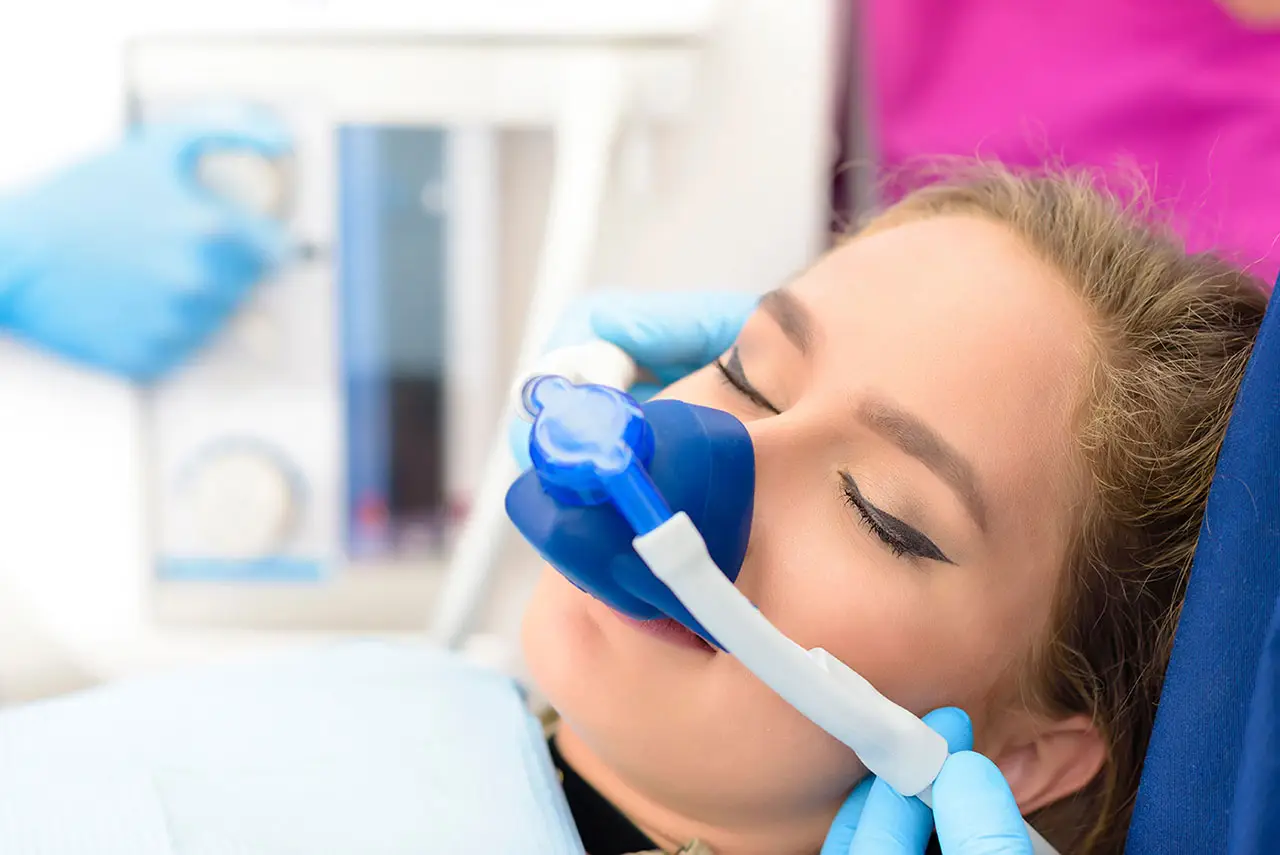
Nitrous oxide is a form of inhaled sedation that is delivered through a small mask placed over the nose. Patients breathe the gas during the appointment while remaining awake and able to communicate.
Many patients describe the experience as feeling relaxed or less concerned about the procedure. The effect begins relatively quickly and can be adjusted by the dental professional based on the treatment and the patient’s response.
Because nitrous oxide is inhaled rather than taken as a pill, the dental team can control its use during the appointment. Once the treatment is complete, the gas is stopped and the patient breathes normal air.
Whether nitrous oxide is appropriate depends on the patient’s health, treatment needs, and the dentist’s evaluation.
What Is Oral Sedation?
Oral sedation uses medication taken by mouth before dental treatment. The medication can help reduce anxiety and create a more relaxed state.
Oral sedation is different from simply taking an over-the-counter medication before an appointment. The dentist needs to determine whether the medication is appropriate, how it should be used, and what precautions are necessary.
Because oral sedation can affect alertness and coordination, patients who receive it may need transportation and specific post-treatment instructions. The dental team will explain what to expect before the appointment.
Patients should never take a sedative on their own for dental treatment without discussing it with the dentist first.
Nitrous Oxide And Oral Sedation Are Not The Same
Both options can help patients feel calmer, but they work differently. Nitrous oxide is inhaled during the appointment and can be adjusted during treatment. Oral sedation involves medication taken by mouth and can affect alertness for a longer period.
The right choice depends on several factors. The dentist considers the patient’s anxiety level, health history, medications, procedure, appointment length, and previous response to sedation.
Some patients may do well with nitrous oxide, while others may need to discuss oral sedation. Some patients may not be candidates for certain forms of sedation at all.
This is why sedation should be personalized rather than selected based only on what worked for someone else.
What Happens Before Sedation?
A sedation appointment begins with a conversation. The dental team needs to understand what makes the patient nervous and what has happened during previous dental visits.
The dentist also reviews health history and medications. Patients should provide accurate information about prescription medications, supplements, allergies, medical conditions, and other relevant factors.
The dentist can then determine which comfort options may be appropriate. If sedation is recommended, the patient receives instructions about eating, drinking, medication use, transportation, and what to expect before and after treatment.
Patients should ask questions before the appointment. Understanding the plan can reduce uncertainty and make the experience feel more predictable.
What Does Sedation Feel Like?
The experience varies from person to person. Nitrous oxide may create a light, relaxed feeling while the patient remains awake. Some people notice a sense of warmth or lightness.
Oral sedation may create a deeper level of relaxation and can cause drowsiness. Some patients remember much of the appointment, while others may remember less depending on the medication and individual response.
Sedation is designed to support comfort, but local anesthesia may still be used to numb the treatment area when necessary. Sedation and numbing serve different purposes.
Patients should tell the dental team if they feel uncomfortable at any point. Communication remains an important part of safe, patient-centered care.
Can Sedation Help With A Strong Gag Reflex?
Yes, sedation may be considered for patients who have a strong gag reflex that makes dental care difficult. However, the treatment plan depends on the reason for the gag reflex and the procedure being performed.
A calm pace, careful positioning, clear explanations, and breaks can also help. Sedation is one part of a broader comfort strategy.
Patients should mention their gag reflex during the consultation so the dental team can plan appropriately rather than discovering the issue unexpectedly during treatment.
Can Sedation Help Patients With Dental Anxiety?
Sedation can make dental care more manageable for patients who experience anxiety. However, the goal is not simply to make anxiety disappear for one appointment.
A positive dental experience can also help rebuild trust and make future visits easier. Patients who have avoided dental care may benefit from starting with a conversation about what has made appointments difficult.
Clear explanations can also help. Knowing what will happen before treatment begins can remove some of the uncertainty that fuels anxiety.
Patients should feel comfortable telling the dental team exactly what concerns them. There is no need to minimize the fear or pretend that everything is fine.
Safety And Sedation Dentistry
Safety is a central part of sedation dentistry. The dentist needs to review the patient’s health and medications before recommending sedation.
Patients should follow all instructions carefully. If oral sedation is prescribed or recommended, taking more than the instructed amount is not appropriate. Patients should also follow directions regarding transportation and activities after the appointment.
Patients should tell the dental team about changes in their health before the appointment. A medication change, new medical diagnosis, illness, or other health issue can affect whether sedation remains appropriate.
What About Children And Sedation?
Children have different needs from adults, and sedation decisions for younger patients require careful evaluation. The dentist considers the child’s age, health, behavior, procedure, and ability to cooperate with treatment.
Parents should provide complete medical information and discuss any concerns before treatment. The dental team can explain which comfort methods may be appropriate and what the appointment will involve.
For some children, simple communication, distraction, a calm environment, and gradual exposure to dental care may be enough. Sedation is not automatically needed simply because a child feels nervous.
Benefits of Sedation Dentistry With Nitrous Oxide Or Oral Sedation
- Reduced dental stress: Appropriate sedation can help patients feel calmer during necessary dental treatment.
- More manageable appointments: Patients who struggle with dental anxiety may find treatment easier to complete.
- Support for strong gag reflexes: Sedation may help selected patients tolerate dental procedures more comfortably.
- Better treatment tolerance: Patients who have difficulty sitting through longer appointments may benefit from appropriate comfort options.
- Personalized choices: Nitrous oxide and oral sedation provide different approaches that can be considered based on individual needs.
- Encourages overdue care: A calmer treatment experience may help patients who have delayed dental visits because of fear.
- Patient-centered planning: Sedation can be discussed alongside other comfort measures, including clear explanations and patient-paced appointments.
How To Prepare For A Sedation Appointment
Preparation depends on the type of sedation. Patients should follow the exact instructions provided by the dental team rather than relying on general advice.
For oral sedation, transportation may be required because the medication can affect alertness. Patients should plan ahead so they do not have to make decisions about driving or other responsibilities after the appointment.
Patients should also provide a complete medication and health history. This information helps the dentist evaluate whether the planned sedation is appropriate.
Arriving early can also help reduce stress. Rushing into an appointment can make anxiety worse, while allowing extra time can make the visit feel more controlled.
What Happens After Sedation?
Recovery depends on the type of sedation used. Patients who receive nitrous oxide may recover relatively quickly once the gas is stopped, while oral sedation can affect alertness for longer.
The dental team will explain what activities are appropriate after treatment. Patients should follow those instructions carefully.
If transportation is required, arrange it before the appointment. Planning ahead removes another source of stress from the day.
Patients should also ask what symptoms are normal after the dental procedure itself. Sedation may help with anxiety, but the treated tooth or gums can still have normal post-treatment tenderness depending on the procedure.
Sedation Is Part Of A Larger Comfort Plan
Good sedation dentistry is not only about medication. It begins with listening. Patients should be able to explain their concerns and understand the treatment plan before care starts.
Simple strategies can make a difference. A slower pace, clear explanations, planned breaks, and agreement on how to signal discomfort can all help patients feel more in control.
When sedation is appropriate, it can be added to that comfort plan. The goal is to make dental care easier to receive without losing sight of safety or the patient’s individual health needs.
A Calmer Way To Move Forward With Dental Care
Sedation dentistry can provide a more manageable dental experience for patients who feel anxious, have a strong gag reflex, or need help completing longer or more involved treatment. Nitrous oxide and oral sedation offer different approaches, and the appropriate option depends on the patient’s health, procedure, and comfort needs.
The best place to begin is an honest conversation. A dental team can explain what is available, what the options involve, and which approach may be appropriate for the individual patient.
If dental anxiety has caused you to delay needed care, contact CK Family Dental at (301) 236-9000 or visit 15434 New Hampshire Ave, Silver Spring, MD 20905 to Schedule a Consultation and discuss sedation dentistry options with the dental team.