
Restoring Confidence, One Tooth at a Time: What Is Restorative Dentistry?
Published on Jun 9, 2025 | 7 minute read
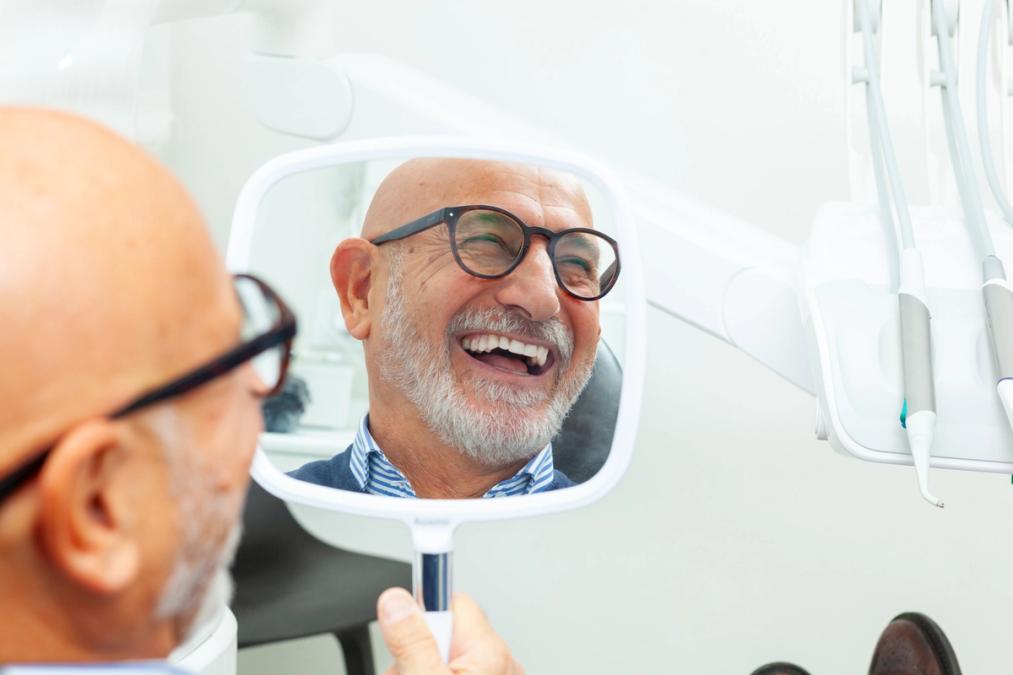
Picture this: your car gets a dent. You don’t just leave it—you repair it. Now think about your smile. If a tooth is chipped, decayed, or missing, wouldn’t it make sense to restore it too? That’s the idea behind restorative dentistry: giving damaged teeth a second chance to function—and shine.
At CK Family Dental in Silver Spring, restorative dentistry is about more than just fillings and crowns. It’s a personalized approach to help you eat better, speak clearly, and feel good about your smile again. But if you’re still wondering what restorative dentistry actually covers, let’s unpack the essentials—without any dental school flashbacks.
So, What Exactly Is Restorative Dentistry?
Restorative dentistry focuses on diagnosing, managing, and fixing issues that affect the teeth and supporting structures. In plain terms? It’s about repairing or replacing teeth that are cracked, worn, decayed, or missing. The goal is always the same: restore the function, strength, and aesthetics of your smile.
The most common restorative dental treatments include:
- Dental Fillings – Used to treat cavities or minor cracks
- Crowns – Protective caps that restore badly damaged teeth
- Bridges – Fixed prosthetics that fill gaps between teeth
- Implants – Permanent replacements for missing teeth
- Dentures – Removable appliances for full or partial tooth loss
- Root Canals – Treat infected or inflamed pulp inside the tooth
It’s not a one-size-fits-all approach. Restorative dentistry is tailored to your unique situation—whether it’s a single filling or a full smile makeover.
Signs You Might Need Restorative Treatment
Not sure if you’re a candidate for restorative work? Here are a few red flags to keep in mind:
- You’ve got a persistent toothache or sensitivity
- You feel pain when chewing
- You notice visible damage (chips, cracks, discoloration)
- You’re missing one or more teeth
- Your old dental work feels loose or looks worn
- You’ve developed speech or chewing issues
Sometimes the signs are subtle. You might not even realize a tooth is compromised until it starts affecting how you eat or smile. That’s why regular checkups matter—they help catch problems early, before small issues turn into costly repairs.
Why Restorative Dentistry Matters
Restoring a tooth isn’t just about looks (though that’s definitely a perk). Untreated dental damage can spiral into much bigger problems. Think bone loss, gum disease, or even shifting teeth. Here’s what restorative dentistry helps prevent:
- Infection: Fixing cavities and cracks keeps bacteria from entering deeper layers of the tooth.
- Jawbone Loss: Replacing missing teeth helps preserve bone structure.
- Bite Problems: Filling gaps and correcting damage supports a healthy bite and jaw alignment.
- Wear and Tear: Restored teeth reduce strain on neighboring teeth that are picking up the slack.
And of course, the mental boost from having a complete, confident smile? That’s pretty powerful too.
Restorative Dentistry vs. Cosmetic Dentistry: What’s the Difference?
Here’s a question we hear a lot: “Isn’t this just cosmetic dentistry?”
Good question—but there’s a difference.
- Restorative dentistry focuses on function and health. It's about fixing broken or missing parts so your mouth works the way it should.
- Cosmetic dentistry, on the other hand, focuses more on appearance—whitening, veneers, and shaping for purely aesthetic upgrades.
Sometimes, the two overlap. A dental crown, for instance, can restore structure while also improving appearance. But at its core, restorative dentistry is about rebuilding and preserving what nature (or life) has worn down.
Professional Benefits of Restorative Dentistry
According to the Journal of Prosthetic Dentistry and the American Dental Association (ADA), the benefits of restorative dentistry go well beyond the mouth:
- Chewing efficiency increases dramatically with dental restorations, especially in patients who’ve lost multiple teeth.
- Speech clarity improves when missing teeth are replaced, particularly in the front of the mouth.
- Nutritional intake is better when patients can chew a full range of foods.
- Psychological well-being improves, as multiple studies show a strong link between oral health and self-esteem.
And let’s not forget—restorative dentistry can save you money long term. Catching problems early and restoring teeth promptly helps prevent more expensive, invasive procedures down the road.
What to Expect During Restorative Treatment
While each type of restorative procedure is different, most follow a similar process:
- Examination – Your dentist will evaluate the damage with X-rays and/or digital scans.
- Treatment Planning – You’ll get a clear breakdown of your options and recommendations.
- Procedure Day – Whether it’s a filling or implant, the focus is always on your comfort.
- Follow-Up – Some treatments (like crowns or dentures) require a second visit for placement or fitting.
Nervous about the dentist’s chair? Don’t worry—modern technology and gentle sedation options (like nitrous oxide) help make restorative visits a breeze.
Restorative Dentistry and Your Long-Term Oral Health
Here’s the bottom line: untreated tooth damage rarely gets better on its own. Whether it’s a cavity, a crack, or a gap, your oral health relies on a strong foundation. Restorative dentistry doesn’t just patch things up—it restores your bite, your confidence, and your overall well-being.
Think of it like a home renovation for your mouth. You're not just fixing what’s broken—you’re reinforcing what matters.
Time to Rebuild with Confidence
Restorative dentistry offers more than a fix—it gives you back the ability to enjoy your life without hesitation. Whether you’ve got a nagging tooth or haven’t smiled fully in years, there’s a treatment plan that can meet you where you are.
Want to feel good about your smile again? Call CK Family Dental at 301-236-9000 or stop by our Silver Spring office at 15434 New Hampshire Ave to book an appointment today.